You’re driving home after dinner with friends, maybe you had a couple drinks hours ago, and suddenly you see those flashing blue lights in your rearview mirror. Your heart starts racing as the officer approaches your window. What started as a normal evening just turned into something that could change your life forever. If you’re facing DWI charges in Marietta, you’re probably feeling overwhelmed, scared, and wondering how this happened to you.
The truth is, DWI charges in Georgia are serious business, and they’re not something you want to handle alone. Unlike a simple traffic ticket, a DWI conviction can strip away your driving privileges, cost you your job, and follow you around for years. At The Freedom Lawyers, we’ve seen how these charges can turn someone’s world upside down, and we know exactly how to fight back. We don’t just practice law – we fight for your freedom, your livelihood, and your future.
When you’re facing DWI charges in Cobb County, you need a defense team that understands both the technical side of these cases and the personal impact they have on your life. That’s where our experience makes all the difference. We know how to challenge the evidence, protect your rights, and get results that let you move forward with your life.
Understanding DWI Charges in Georgia
Here’s the truth about DWI charges in Georgia – there’s no separate DWI statute in our state. Georgia calls it all DUI, whether you’re talking about alcohol, drugs, or any other substance. But here’s what catches people off guard: you can get charged with DUI even if your blood alcohol concentration is under 0.08%. Georgia has what’s called “DUI less safe,” which means if an officer thinks you’re impaired to any degree, you can face charges regardless of your BAC. For regular drivers, the limit is 0.08%, for commercial drivers it’s 0.04%, and for anyone under 21, it’s just 0.02%.
What really surprises people is how many different substances can land you in trouble. We’re not just talking about alcohol here – prescription medications you legally take, over-the-counter drugs, marijuana, even inhaling toxic vapors can all result in DUI charges if they make you “less safe” to drive. The scenarios that lead to these arrests are more common than you think. Maybe you took your prescribed pain medication and drove to the pharmacy, or you had a couple drinks with dinner hours ago and thought you were fine. If an officer believes you’re impaired in any way, you could find yourself facing serious charges.
The most important thing to understand is that “DUI less safe” carries the exact same penalties as any other DUI charge. Many people think it’s somehow a lesser offense, but that’s not true. Whether you blow over the legal limit or get charged with “less safe” based on the officer’s observations, you’re facing the same fines, jail time, license suspension, and long-term consequences. The difference is just how the prosecution proves their case against you.
The Real Consequences of a DWI Conviction
A DWI conviction in Georgia isn’t just about what happens in court – it’s about how it affects every part of your life for years to come. Many people think they can just pay the fine and move on, but the reality is much more complicated. Here’s what you’re really facing when you get convicted:
- License Suspension and Driving Impact: Your license gets suspended for up to a year, and that’s where the real problems start. Without a car, how do you get to work? How do you take your kids to school or pick up groceries? For a first offense, you’re looking at explaining to your boss why you can’t come to work while you serve your minimum 24 hours in jail. Many people don’t realize that losing your license can actually be worse than the fine, especially in Georgia where public transportation is limited.
- Financial Consequences: The costs go way beyond the $300 to $1,000 fine. You’ll pay around $250 just to get your license back, plus court costs, lawyer fees, and the mandatory DUI Risk Reduction Program. Then there’s the 40 hours of community service you’ll have to complete. But here’s what really hurts – your insurance rates will skyrocket. Some insurance companies will drop you altogether, and those that don’t might double or triple your premiums. Over the next several years, you could end up paying thousands more in insurance costs alone.
- Employment and Background Check Issues: That DUI conviction becomes part of your permanent criminal record, and it shows up on background checks. Whether you’re applying for a new job, trying to get a promotion, or even looking for an apartment, that conviction follows you around. Some employers have zero tolerance policies for any criminal conviction, especially if your job involves driving. Professional licenses can be suspended or revoked, and certain careers – like teaching, healthcare, or finance – become much harder to pursue.
Long-term Record Impact: The conviction stays on your record for 10 years for sentencing purposes, but the background check consequences can last much longer. Even after you’ve completed probation and paid all your fines, that convition is still there, affecting your opportunities and reputation in the community.
Your Constitutional Rights During a DWI Stop
Most people don’t realize they have real constitutional rights during a DWI stop, and police officers aren’t going to remind you about them. The officer needs reasonable suspicion to pull you over in the first place – they can’t just decide to stop you because they feel like it. They need to observe something specific like weaving, speeding, or running a red light. If they don’t have that reasonable suspicion, the entire stop is illegal, and any evidence they collect can be thrown out of court. You have the right to remain silent beyond providing your driver’s license, registration, and proof of insurance. You don’t have to answer questions like “Have you been drinking tonight?” and you can politely say you’re exercising your right to remain silent.
Here’s what catches most people off guard – you can refuse field sobriety tests and the preliminary breath test without immediate legal consequences. Georgia law specifically states you cannot be compelled to perform these acts like walking in a straight line or standing on one leg. But here’s the catch – if you refuse the official chemical test after you’re arrested at the station, you’ll face an automatic one-year license suspension under Georgia’s implied consent law.
We see common violations of rights all the time in DWI cases. Officers who don’t have reasonable suspicion for the stop, who fail to properly read implied consent warnings, who force you to take field sobriety tests, or who search your car without permission. Sometimes they’ll claim they smell alcohol when they don’t, or say you were weaving when you weren’t. These violations can be the key to getting your case dismissed, but only if you have an experienced lawyer who knows how to spot them and fight them in court.
Challenging the Evidence in Your DWI Case
One of the most effective ways to win a DWI case is to challenge the evidence that the prosecution is using against you. The truth is, DWI cases rely heavily on tests and procedures that are far from foolproof. At The Freedom Lawyers, we’ve seen countless cases where the evidence looked strong at first glance, but when we dug deeper, we found serious problems that completely changed the outcome.
Field Sobriety Test Defense
Field sobriety tests are some of the weakest evidence in DWI cases, even though prosecutors love to use them. Here’s what most people don’t know – these tests are designed to make you fail. They’re incredibly subjective, and the “scoring” depends entirely on what the officer thinks they’re seeing.
- Test Reliability Issues: The three “standardized” tests (eye test, walk-and-turn, one-leg stand) are notoriously unreliable. Even under perfect conditions, they’re wrong about 30% of the time. The horizontal gaze nystagmus (eye test) is so complicated that registered nurses aren’t allowed to administer it, yet police officers with minimal training use it every day to arrest people.
- Medical Conditions That Affect Performance: Many medical conditions can make you fail these tests even when you’re completely sober. If you have back problems, knee injuries, inner ear issues, or even if you’re over 50 years old, these tests become meaningless. Diabetes, acid reflux, and certain medications can all affect your performance.
- Environmental Factors: Bad weather, poor lighting, uneven surfaces, and even the stress of being pulled over can all impact your ability to perform these tests. Officers are supposed to account for these factors, but they rarely do.
Breathalyzer and Blood Test Challenges
The breathalyzer and blood tests might seem more scientific, but they have their own serious problems that we can exploit in your defense.
- Equipment Calibration and Maintenance Issues: Georgia still uses the outdated Intoxilyzer 9000 – other states have moved on to newer, more accurate machines. These devices must be calibrated regularly, and Georgia only sends supervisors around quarterly while other states do it much more often. If the machine wasn’t properly calibrated or maintained, the results can be thrown out entirely.
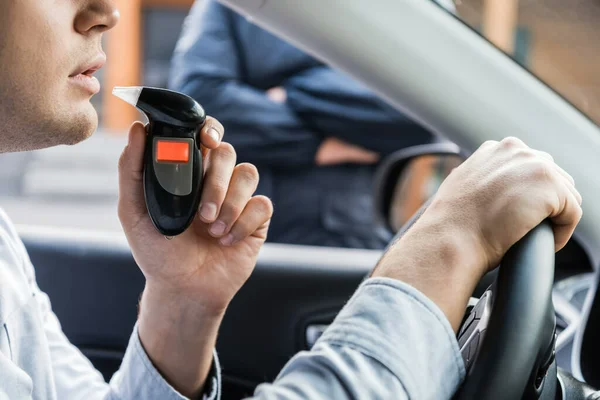
- Proper Procedures Must Be Followed: Officers must follow strict protocols when giving these tests. They need to observe you for 20 minutes before the test to make sure you don’t burp, vomit, or put anything in your mouth. They must read the implied consent warning correctly. If they skip steps or make mistakes, we can get the evidence suppressed.
Medical Conditions Affecting Results: Acid reflux, diabetes, and dental problems can all cause false high readings. Certain medications, mouthwashes, and even breath sprays can interfere with the results. If you have any of these conditions, the test results may be completely unreliable.
Why Experience Matters in DWI Defense
When you’re facing DWI charges, you need lawyers who don’t just know the law – you need lawyers who know the people, the courts, and the system inside and out. At The Freedom Lawyers, we’ve built deep relationships with judges, prosecutors, and court personnel throughout Cobb County and the greater Atlanta area. We know which prosecutors are willing to negotiate and which ones you need to fight in court. We know which judges are strict about certain issues and which ones are more lenient. Most importantly, we know the local procedures, the unwritten rules, and the personalities involved in your case. This insider knowledge can make the difference between a conviction and a dismissal.
Our track record speaks for itself. We’ve successfully defended hundreds of DWI cases, and we know exactly what it takes to get results. We don’t just file motions and hope for the best – we strategically attack every weakness in the prosecution’s case. Whether that means challenging the traffic stop, exposing problems with the breathalyzer, or negotiating with prosecutors who respect our reputation, we use every tool at our disposal to protect your freedom. When prosecutors see The Freedom Lawyers on a case, they know they’re dealing with attorneys who will fight hard and who have the experience to win. That reputation opens doors and creates opportunities that less experienced lawyers simply can’t access.
Protecting Your Driving Privileges
One of the most immediate and devastating consequences of a DWI arrest in Georgia is losing your driving privileges, and this happens completely separate from your criminal case. The moment you’re arrested, the clock starts ticking on what’s called the Administrative License Suspension (ALS) process. You have exactly 30 days from your arrest date to take action, or your license will be automatically suspended for at least one year. This isn’t something that happens after you’re convicted – it happens just because you were arrested.
Administrative License Suspension Process
When you’re arrested for DWI, the officer takes your license and gives you a yellow temporary permit that’s good for 45 days. They also fill out a DDS Form 1205, which starts the administrative process to suspend your license. This is completely separate from your criminal case and is handled by the Georgia Department of Driver Services, not the criminal courts. Even if you beat your criminal case, you can still lose your license through this administrative process if you don’t act within 30 days.
You have two options to protect your driving privileges. First, you can request an administrative hearing by sending a written appeal with a $150 filing fee to the Department of Driver Services. This puts your license suspension on hold until the hearing, which means you keep your driving privileges while the case is pending. At the hearing, we can challenge whether the officer had reasonable suspicion to stop you, probable cause to arrest you, and whether proper procedures were followed. Second, you can choose to get an ignition interlock device installed on your vehicle, which allows you to keep driving with restrictions.
Timeline for License Restoration
The timeline for getting your license back depends on several factors. For refusal cases, it’s a full year unless you win your hearing or criminal case. If you have prior DUI convictions within five years, the suspension periods get much longer – 18 months for a second offense and five years for a third.
The most important thing to remember is that time is critical. We can’t stress this enough – you only have 30 days to act, and once that deadline passes, there’s usually nothing we can do to get your license back until the full suspension period is over. This is why it’s so important to contact The Freedom Lawyers immediately after your arrest so we can protect your driving privileges while we fight your criminal case.
Take Action Now – Don’t Wait
Time is your enemy when you’re facing DWI charges in Georgia. You only have 30 days to protect your driving privileges, and every day you wait, valuable evidence could disappear – surveillance video gets deleted, witnesses forget details, and breathalyzer records get lost. At The Freedom Lawyers, we’re available 24/7 at 678-986-7866 because DWI arrests don’t just happen during business hours. You can call us immediately or visit our office for your free consultation. Bring your citation, yellow temporary permit, and any arrest paperwork when you visit, but don’t worry if you don’t have everything – we can help you get what we need. The most important thing is to contact us right away so we can start protecting your rights and building the strongest possible defense for your case.


